


Deinonychus's name means "terrible claw," referring to its large, sickle-shaped claw on each foot. elaborate

Albertosaurus fossils show evidence of injuries, including a healed bite wound on one specimen's jaw, suggesting they fought each other, possibly over territory or mates. elaborate
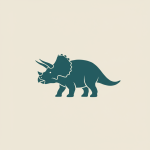
Triceratops's frill wasn't just for show; it likely had large holes in it to reduce weight. elaborate

Velociraptors were only about the size of a large chicken. elaborate
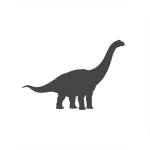
Patagotitan mayorum, one of the largest known dinosaurs, was so big that its femur (thigh bone) was taller than a grown human. elaborate