Literature facts
Facts from the Literature category. Tap to start getting facts on a topic.

The ancient Greeks believed that poetic inspiration, or *entheos*, was a divine possession, a temporary madness bestowed by the Muses. elaborate

English paper, despite its name, isn't always made from cotton. A significant portion is now made from wood pulp. elaborate
The word "literally" is often used figuratively, a fact that would likely frustrate many a literary purist. elaborate

Homer, the author of the *Iliad* and the *Odyssey*, is a figure shrouded in mystery; we don't even know for certain if he was a single person or a collective pseudonym. elaborate

Toni Morrison was the first African American woman to win the Nobel Prize in Literature. elaborate

Interactive storytelling's roots can be traced back to choose-your-own-adventure books, popularized in the 1970s and 1980s. elaborate
The longest sentence in English literature is reportedly over 1,300 words long and comes from Jonathan Coe's novel *The Rotters' Club*. elaborate

The word "memoir" comes from the French word "mémoire," meaning "memory." elaborate

The Zork series, one of the most famous Interactive Fiction games, was originally written in a programming language called MDL (specifically, MDL/Zork), not the more commonly known Infocom's own ZIL. elaborate

Intertextuality isn't just about direct quotations; it also includes allusions, parodies, and even unintentional echoes of other texts, creating a complex web of literary conversation. elaborate

Daily journaling can improve your immune system. elaborate
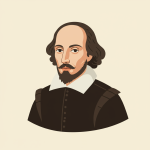
Shakespeare never actually used the word "eyeball" in his works. elaborate

Gabriel García Márquez was a trained journalist before becoming a renowned novelist. elaborate
Many playwrights use the same pen name for all their works, even if those works have very different styles. elaborate

Emily Dickinson used dashes in her poetry more frequently than almost any other poet. elaborate
The longest poem ever written is reportedly "The Mahabharata," an epic Sanskrit poem containing over 100,000 verses. elaborate
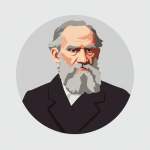
Leo Tolstoy, despite his immense literary success, renounced his copyrights, believing that his works should be freely available to all. elaborate
a fact elaborate