Back to Fact Wall
Fruit Topics (100)
Apricot Fruit
0

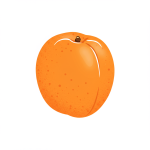
Apricot kernels contain amygdalin, a compound that releases cyanide when digested, making them toxic if consumed in large quantities. elaborate

Avocado Fruit
1

Avocados don't ripen on the tree; they ripen only after they're picked. elaborate

Apple Fruit
2

Apple's original logo featured Isaac Newton sitting under an apple tree. elaborate

Blackberry Fruit
3

BlackBerry's keyboard was initially designed to be used with a stylus, not fingers. elaborate

Peach Fruit
4

In the original *Super Mario Bros.* game, Peach is referred to as the "Princess Toadstool". elaborate

Lime Fruit
5

Limes were likely first cultivated in Southeast Asia. elaborate

Orange Fruit
6

Oranges are botanically a berry. elaborate

Pomology Fruit
7

Pomology is the branch of botany that studies fruit. A fun fact is that many of the fruits we eat today are the result of centuries of selective breeding and hybridization by pomologists. elaborate

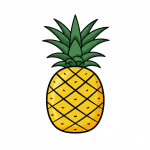
Pineapple Fruit
8

Pineapples are a collective fruit, meaning they're formed from many individual flowers fused together. elaborate

Cranberry Fruit
9

Cranberries can bounce! Their air-filled pockets allow them to bounce when dropped on a hard surface. elaborate

Banana Fruit
10

Bananas are berries. elaborate

Pear Fruit
11

Pears are botanically classified as a fruit, but are treated as a vegetable in culinary contexts, such as in salads or chutneys. elaborate

Plum Fruit
12

Plums are drupes, meaning they have a single hard stone containing a seed surrounded by fleshy fruit. elaborate

Cantaloupe Fruit
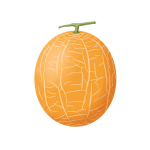
13

Cantaloupe's scientific name, *Cucumis melo*, is the same as that of cucumbers, though they're different cultivars within the same species. elaborate

Watermelon Fruit
14

Watermelons are part of the same family as cucumbers and pumpkins. elaborate

Mango Fruit
15

Mangoes are a drupe, meaning they have a hard shell surrounding a single seed. elaborate

Pomegranate Fruit
16

A single pomegranate can contain over 600 seeds. elaborate

Lemon Fruit
17

Lemon juice is sometimes used to clean copper because of its acidity. elaborate

Grapes Fruit
18

A single grape can contain up to 2.5 times its weight in water. elaborate

Honeydew Melon Fruit
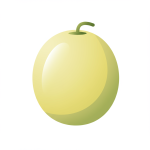
19

Honeydew melons aren't actually honey-sweetened; their name comes from their honey-like color and aroma. elaborate

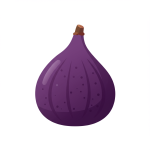
Fig Fruit
20

Fig trees were some of the first trees to be cultivated by humans. elaborate

Cherry Fruit
21

Cherry pits contain cyanide, though you'd have to eat a lot to experience any ill effects. elaborate

Strawberry Fruit
22

A single strawberry can contain over 200 seeds. elaborate

Raspberry Fruit
23

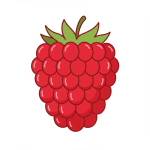
Raspberries are aggregate fruits, meaning they're formed from many tiny individual fruits clustered together on a single receptacle. elaborate

Blueberry Fruit
24

Blueberries are not actually blue; their color comes from a pigment called anthocyanin, which is also responsible for the red and purple colors in many other fruits and vegetables. elaborate
No more topics to list!